
Acoustic Benefits of Green Walls in Modern Offices

Updated: March 4th, 2026
Published: December 3, 2025
Open-plan offices have created a persistent challenge: how do you maintain the collaborative benefits of shared space, without succumbing to the acoustic chaos that destroys concentration? Green walls – vertical gardens integrated into interior architecture – offer a potential solution that addresses sound whilst also delivering broader environmental and psychological benefits.
The acoustic properties of living plant systems are well-established in environmental science, yet they remain underutilised in workplace design. If you’re grappling with noise complaints, struggling to create focused work zones, or simply seeking design elements that perform multiple functions, vertical planting deserves serious consideration.
How Green Walls Absorb Sound
Sound behaves differently when encountering plant mass compared to hard architectural surfaces. Conventional walls reflect sound waves, creating reverberation that amplifies background noise. Plants, by contrast, absorb sound energy through their leaves, stems, and growing medium. The complex surface texture scatters remaining sound waves, preventing the organised reflection that causes echo and reverberation.
Research from the University of Technology Sydney demonstrated that a well-designed green wall can reduce ambient noise levels by up to 8 decibels – a reduction your employees would perceive as halving the loudness. The absorption proves most effective in the frequency ranges of human speech, precisely where office noise creates the most disruption.
Optimal Placement for Acoustic Performance
Strategic positioning amplifies acoustic benefits. Consider green walls in these locations:
Behind reception areas, where they soften the hard surfaces typically found in entrance lobbies whilst creating an immediate biophilic impact. In open-plan zones between collaborative areas and focused work spaces, where they function as living acoustic barriers. Along corridors or circulation routes, where sound otherwise travels freely between spaces.
The effectiveness increases with wall size and plant density. A token green wall spanning two square metres provides modest benefits. A floor-to-ceiling installation covering ten or fifteen square metres creates measurable acoustic improvement.
Species Selection for Sound Absorption
Not all plants perform equally from an acoustic perspective. You want species with dense, broad foliage that maximises surface area. Ferns, philodendrons, and pothos varieties excel in interior conditions whilst providing excellent sound absorption. Their leaf structure creates multiple layers that trap and dissipate sound energy.
Avoid species with stiff, waxy leaves that may actually reflect sound. The ideal green wall combines multiple species at varying heights, creating textural complexity that enhances acoustic performance whilst appearing more natural than monoculture plantings.
Integration with Workspace Design
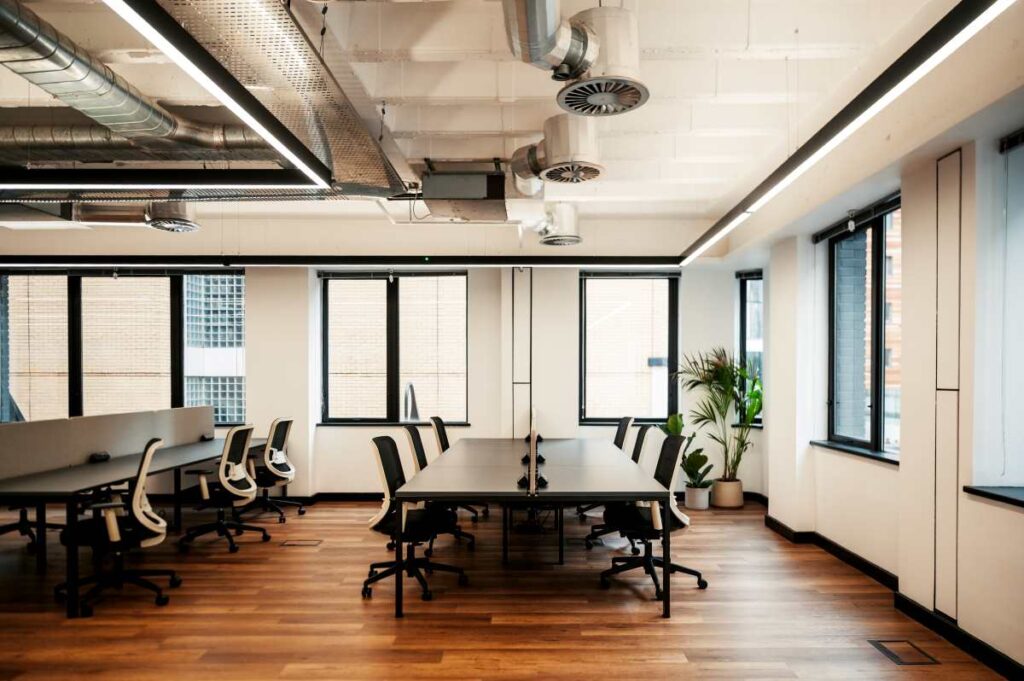
Green walls shouldn’t exist as isolated features. Integrate them with your broader acoustic strategy. Combine living walls with acoustic ceiling treatments, sound-absorbing desk screens, and spatial planning that separates noisy activities from quiet zones.
If you’re designing meeting rooms with glass walls for visual transparency, a green wall on the opposite solid wall provides acoustic absorption that prevents the room becoming an echo chamber. In breakout spaces, position green walls to contain conversational noise without requiring full acoustic separation.
Why Expertise Matters
Many serviced and managed office operators now incorporate green walls as standard amenities. However, the quality, maintenance, and acoustic functionality vary enormously. Some installations prioritise appearance over performance, using sparse planting that provides minimal acoustic benefit.
At Soul Spaces, our team includes specialists handling day-to-day workspace needs – they can differentiate between decorative green walls and genuinely functional acoustic installations. They understand the irrigation systems, lighting requirements, and maintenance protocols that keep vertical gardens thriving rather than gradually deteriorating into brown eyesores.
This expertise becomes particularly valuable during space selection. A tenant representative can identify buildings where existing green wall infrastructure is properly maintained, or negotiate inclusion of living walls in your fit-out scope with appropriate landlord contribution. They know which operators view green walls as marketing theatre versus those who’ve invested in systems that deliver long-term environmental and acoustic performance.
The maintenance implications alone warrant expert guidance. Poorly specified green walls become maintenance nightmares – dead plants, water damage, or pest infestations that create problems far exceeding any acoustic benefits. Experienced workspace advisors connect you with operators who’ve demonstrated successful long-term green wall management.
Maintenance and Longevity
Living systems require ongoing care. Your green wall needs irrigation (ideally automated), appropriate lighting if natural light is insufficient, periodic fertilisation, and regular inspection for plant health. Budget for professional maintenance – this isn’t something your cleaning contractor can manage alongside emptying bins.
Quality installations include irrigation systems with moisture sensors that prevent overwatering whilst ensuring plants receive adequate hydration. Backup systems alert facilities teams to pump failures or blockages before plants suffer. Lighting should provide full-spectrum illumination if the wall receives minimal natural light.
Is It Really Worth It?
So are green walls truly worth the investment? The acoustic improvements are measurable, but this addition actually delivers value beyond simple sound absorption. Studies consistently show that visible nature in office environments reduces stress, improves air quality (plants filter VOCs and particulates), and enhances perceived environmental quality. Your employees report higher satisfaction in biophilic environments, even when they can’t articulate why.
From a practical standpoint, green walls can replace less effective acoustic panels whilst contributing to wellness and sustainability goals. The installation cost exceeds basic acoustic treatments, but the multi-functional benefits often justify the investment, particularly if you’re pursuing environmental certifications or serious about employee wellbeing.
If acoustic performance is genuinely important to your workspace – and it should be – don’t overlook living systems as functional infrastructure rather than mere decoration. Properly specified and maintained, green walls represent some of the most effective and visually appealing acoustic treatments available.

Ready to find your dream office?