
How to Choose the Right Flooring for Your Office Space
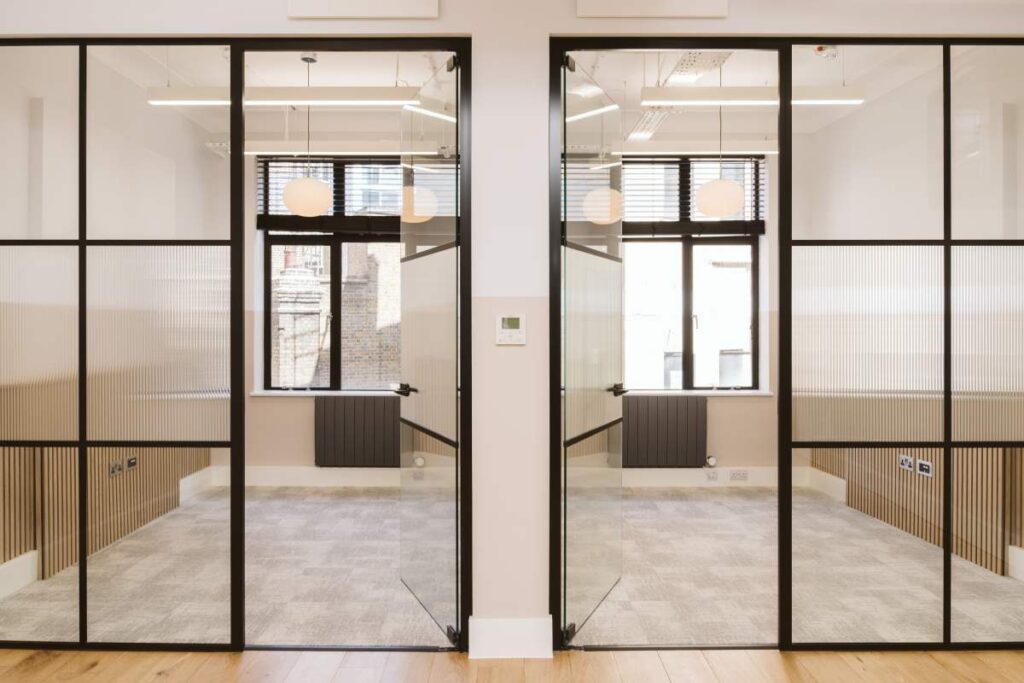
Flooring decisions rarely receive the attention they deserve during office design, typically treated as aesthetic afterthought rather than foundational infrastructure affecting acoustics, maintenance, safety, and professional perception. Yet the surface people walk on influences workspace functionality in ways that extend well beyond whether it complements the furniture. Get it wrong and you create problems that persist throughout the lease term – poor acoustics, excessive maintenance, safety concerns, aesthetic aging that undermines professional presentation.
The choice involves balancing multiple considerations that often conflict – durability versus comfort, acoustic performance versus maintenance requirements, upfront cost versus lifecycle expense, aesthetic appeal versus practical function. Understanding these trade-offs allows informed decisions rather than selections based primarily on samples that look attractive in isolation.
Acoustic Performance as Primary Consideration
Hard flooring – stone, ceramic, polished concrete – reflects sound efficiently, amplifying every footfall, rolled chair, dropped object into ambient noise that accumulates across open workspace. This acoustic problem often emerges only after occupation, when the cumulative effect of dozens of people moving creates persistent background noise that undermines concentration and requires constant acoustic filtering.
Carpet provides superior sound absorption, particularly important in open-plan environments where acoustic comfort directly affects productivity. Carpet tiles offer acoustic benefits whilst maintaining flexibility for reconfiguration and targeted replacement when sections wear or stain. The acoustic advantage alone often justifies carpet in workspace where concentration matters, regardless of other factors. Those familiar with common mistakes when designing office spaces recognise that underestimating acoustic requirements creates problems expensive to remedy after installation.
Durability Matched to Traffic Patterns
Office flooring endures considerable abuse – constant foot traffic, rolling chairs, wheeled equipment, spills, cleaning regimes. Durability requirements vary dramatically across different zones. Reception areas face high-volume foot traffic including outdoor footwear. Workspaces endure rolling chairs and concentrated use. Kitchens require resistance to spills and easy cleaning. Corridors handle wheeled trolleys and deliveries.
Commercial-grade materials specify wear ratings for different applications – understanding these ratings prevents the common error of selecting flooring based on residential experience that doesn’t translate to commercial conditions. That attractive luxury vinyl that works beautifully at home may prove inadequate for office chair casters. The hardwood that ages gracefully in low-traffic residential settings shows wear uncomfortably quickly under commercial conditions.
Maintenance Reality Versus Aesthetic Appeal
Polished concrete looks impressive in photographs and suits industrial-aesthetic aspirations, but it shows every mark, requires specialist cleaning, and proves unforgiving when anything gets dropped on it. Natural stone creates similar maintenance challenges whilst adding ongoing sealing requirements. These materials work when you’re willing to invest in their upkeep; they create problems when maintenance gets deferred.
Carpet tiles offer maintenance advantages that continuous carpet cannot match. Stained or worn sections get replaced individually rather than requiring wholesale renewal. This targeted replacement extends floor life considerably whilst maintaining consistent appearance. The modular approach also enables design flexibility – different zones in different colours or patterns, changes over time without complete replacement.
Comfort and Ergonomic Considerations
People standing for extended periods – reception staff, retail-facing roles, certain technical positions – experience measurably less fatigue on surfaces with some give. Hard flooring proves tiring over sustained standing periods in ways that cushioned surfaces mitigate. This ergonomic consideration affects wellbeing and performance for roles involving significant standing time.
Carpet also provides thermal comfort, feeling warmer underfoot than hard surfaces – relevant in buildings where floor-level temperatures prove difficult to control uniformly. This thermal property affects perceived environmental comfort particularly in perimeter zones or spaces with large glazed areas where floor temperatures vary more than air temperatures.
Safety and Slip Resistance
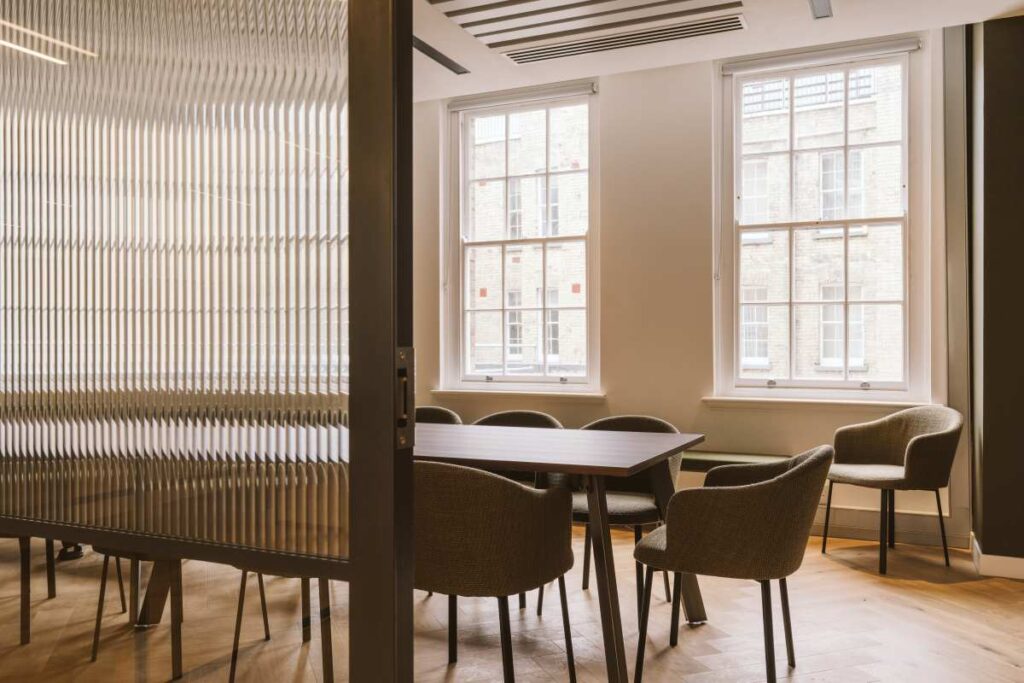
Wet conditions create slip hazards that vary dramatically across flooring types. Polished surfaces become treacherous when wet. Textured surfaces maintain traction better but prove harder to clean. Reception areas and spaces near entrances face particular challenges during wet weather – tracked-in moisture creates slip zones precisely where client traffic concentrates.
Entrance matting systems address this partially, but flooring selection should account for realistic wet-weather conditions rather than assuming perfect weather. Safety considerations extend to trip hazards – raised transitions between different floor types, carpet edges that lift, tiles that work loose. These problems emerge over time and create genuine liability concerns that proper specification prevents.
Lifecycle Cost Beyond Installation Price
Upfront flooring costs represent only part of total expense over lease terms. Maintenance, cleaning, eventual replacement – these ongoing costs often exceed initial installation expense across typical lease periods. Cheap flooring that requires frequent replacement or intensive cleaning proves more expensive than quality materials that age well and clean easily.
Calculating lifecycle cost requires estimating lifespan under actual use conditions, understanding cleaning requirements and costs, projecting replacement timing. Commercial flooring suppliers provide this analysis, though their incentives favour premium products. Independent assessment of genuine requirements versus aspirational specifications often reveals opportunities to balance quality against budget more effectively.
Aesthetic Longevity
Flooring trends date as surely as any design element, but floor replacement proves considerably more disruptive and expensive than repainting walls or updating furniture. Selecting flooring that ages well rather than looking immediately dated requires favouring timeless materials and neutral palettes over fashionable statements.
This doesn’t mean bland uniformity but rather avoiding strong stylistic positions that announce their vintage uncomfortably quickly. The polished concrete that appears contemporary today will look period-specific within years. Quality carpet tiles in neutral tones remain appropriate considerably longer, allowing other elements to provide aesthetic interest whilst flooring provides consistent, professional foundation.
The Professional Specification
Soul Spaces operates as tailored workspace refurbishment specialists in London, approaching flooring specification with understanding that the decision affects workspace functionality for the entire occupation period. The choice should balance acoustic requirements, durability expectations, maintenance reality, safety considerations, and lifecycle costs rather than optimising any single factor.
Flooring represents infrastructure that’s expensive to change and affects daily experience persistently. Getting the specification right – appropriate materials for different zones, quality sufficient for expected use, maintenance requirements that match actual commitment – creates a foundation that supports workspace function rather than undermining it through acoustic problems, premature wear, or excessive upkeep demands. The modest additional investment in appropriate specification typically proves cheaper than remedying problems that emerge from inadequate initial selection.
Ready to find your dream office?