
What Employees Expect From Modern Workspaces
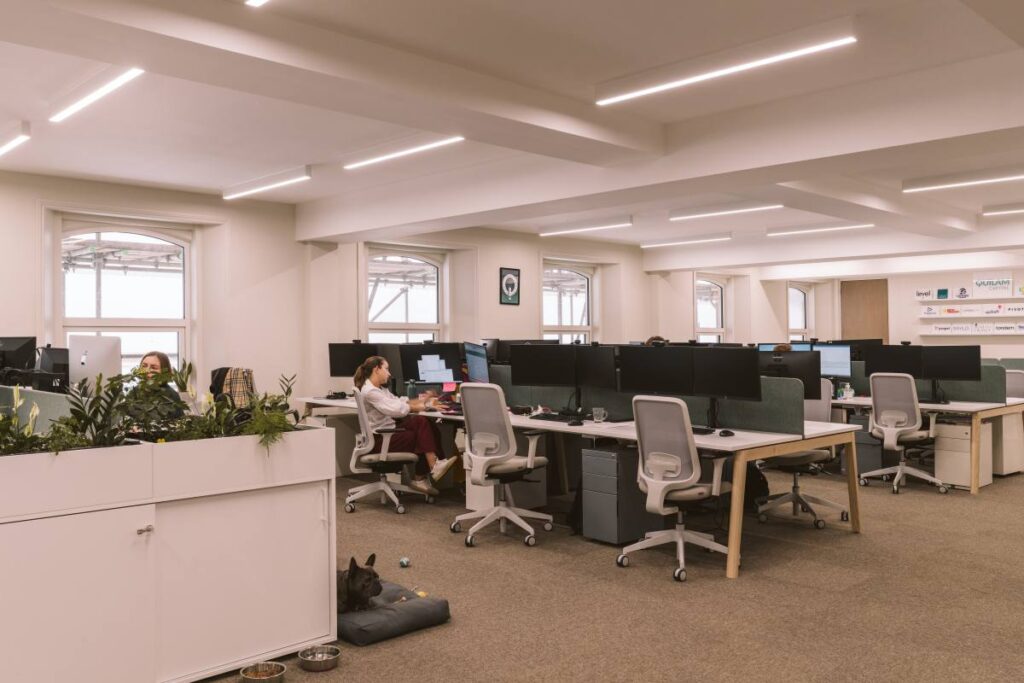
Employee expectations about workspace have shifted considerably over the past decade, driven less by generational preferences than by exposure to alternatives that revealed how inadequate traditional offices often were. The open-plan desk farm designed for cost efficiency rather than human comfort, the windowless interior zones where daylight becomes theoretical. The meeting rooms are perpetually booked but frequently unused. The rigid 9-to-6 occupation patterns that ignored actual work rhythms.
The pandemic accelerated changes already emerging, giving millions of workers extended experience with alternative arrangements that highlighted deficiencies they’d previously accepted as inevitable. The return to offices hasn’t involved accepting pre-pandemic conditions but demanding workspace that actually serves needs rather than simply housing bodies cheaply.
Choice Over Prescription
Perhaps the most significant shift involves expecting choice rather than accepting uniform conditions. Different work requires different settings – concentrated analysis demands quiet isolation, collaborative projects need team space, phone calls require acoustic privacy, creative thinking benefits from environmental variety. Traditional offices forced everything into identical conditions, typically open desks that served no work mode particularly well.
Modern expectations centre on workspace providing variety – quiet zones for concentration, collaborative areas for teamwork, private spaces for calls and confidential work, social zones for informal interaction, individual control over immediate environment where possible. This variety enables people to match setting to task rather than forcing all activities into standardised conditions.
The expectation isn’t luxury or extravagance but basic recognition that humans work better when environment suits activity. Providing this variety costs relatively little during design but requires acknowledging that uniform conditions serve nobody optimally.
Environmental Quality as Baseline
Workers increasingly expect workspace that functions properly rather than accepting environmental inadequacy as normal. Reliable temperature control rather than perpetual arguments about thermostat settings. Adequate ventilation providing fresh air rather than a stuffy recycled atmosphere by afternoon. Lighting that doesn’t cause headaches or screen glare. Acoustics that allow concentration rather than forcing constant auditory filtering.
These aren’t aspirational luxuries but basic functionality that affects wellbeing and productivity measurably. The tolerance for poorly functioning environments has declined as people experienced alternatives – home offices where they controlled temperature and light, co-working spaces with superior environmental management, or simply awareness that workspace quality directly affects how they feel and perform.
Knowing how workplace design improves employee retention reveals that environmental quality increasingly influences employment decisions, particularly in competitive talent markets where candidates evaluate potential employers partly through workspace quality.
Technology That Actually Works
The pandemic forced rapid technology adoption that highlighted how inadequate office technology often was. Meeting rooms with unreliable video conferencing. WiFi that struggled under load. Insufficient power outlets for laptop-centric work. Booking systems that didn’t reflect actual availability. These deficiencies, tolerable when alternatives didn’t exist, became unacceptable after experiencing better.
Expectations now centre on technology that works reliably without requiring specialist knowledge. Video conferencing that initiates with single button press. WiFi capacity sufficient for actual usage. Power and data connectivity wherever work might happen. Booking systems that accurately reflect availability and automatically release unused space. This isn’t cutting-edge technology but basic infrastructure functioning properly.
The frustration comes from knowing these solutions exist whilst experiencing workplace technology that remains inadequate through underinvestment or poor specification. Workers increasingly expect technology infrastructure comparable to what they have at home or experience in well-managed co-working spaces.
Flexibility in Working Patterns
Rigid 9-to-6 office occupation increasingly conflicts with actual work rhythms and personal circumstances. Some people work best early, others late. Parents need flexibility around school schedules. Commute patterns make rigid start times inefficient. The work itself often doesn’t align with traditional office hours – creative work that happens in bursts, client work spanning time zones, project phases with varying intensity.
Modern expectations involve flexibility to work when and where makes sense rather than adhering to presence-based schedules that measure time rather than output. This doesn’t mean abandoning coordination – teams still need overlap for collaboration – but recognising that mandating identical schedules for everyone optimises neither productivity nor wellbeing.
Workspace design should enable this flexibility rather than assuming uniform occupation. Hot-desking for those who don’t need dedicated space. Bookable quiet rooms for focused work. Collaborative areas available across extended hours. Technology supporting hybrid working where some team members attend office whilst others participate remotely.
Amenities That Support Wellbeing
Expectations around workplace amenities have expanded beyond basic facilities to encompass wellbeing more broadly. Quality coffee rather than instant granules. Proper kitchen facilities enabling lunch preparation. Secure bicycle storage encourages active commuting. Shower facilities supporting exercise. Outdoor space or access to daylight. Comfortable breakout areas supporting genuine breaks rather than eating at desks.
These amenities signal organisational commitment to staff wellbeing in tangible daily ways. The investment needn’t be lavish – good coffee and proper kitchen facilities cost relatively little but affect daily experience measurably. The absence of basic amenities increasingly signals either financial constraint or insufficient regard for staff experience, neither attractive in competitive employment markets.
Aesthetic Quality Beyond Functionality
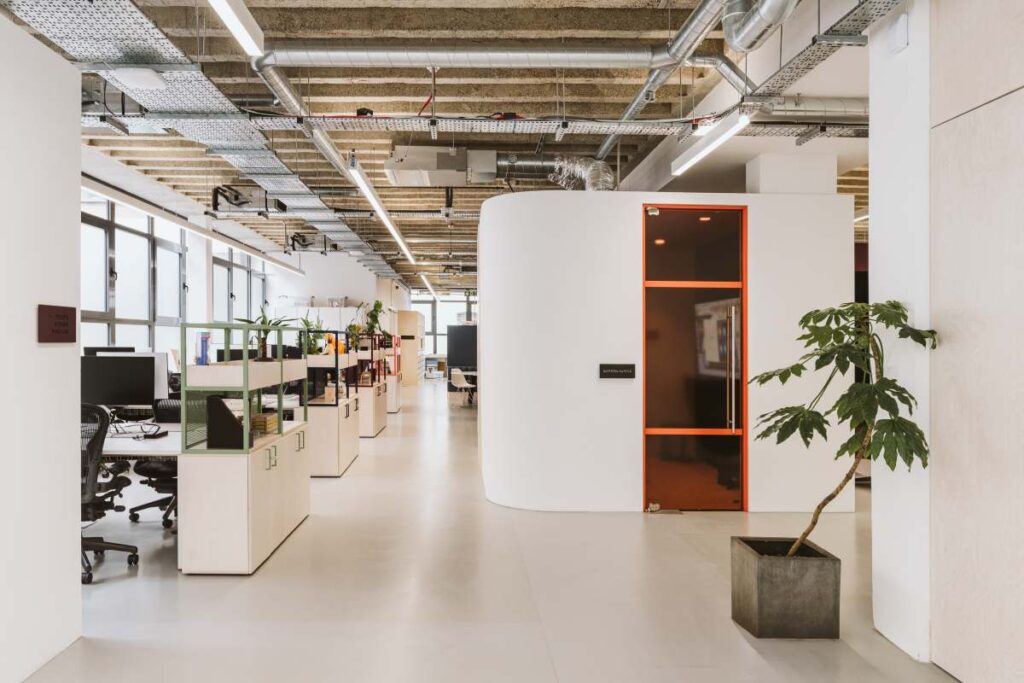
Workers expect workspace that looks professional and maintained, not because aesthetics matter more than function but because environmental quality affects mood and morale. Shabby, tired, obviously cheaply fitted offices raise questions about organisational health and priorities. Quality materials, thoughtful design, maintained finishes – these signal investment in workspace that extends to investment in people.
This doesn’t demand luxury but rather appropriate quality maintained properly. The office that looked impressive when new but shows obvious wear and deferred maintenance within years signals priorities as clearly as initial cheapness. Durability and maintenance matter as much as initial specification.
Commute Consideration
Location increasingly affects employment decisions, particularly in cities where commutes consume substantial time and money. Workers evaluate potential employers partly through commute burden – journey time, complexity, cost, reliability. The office is brilliantly designed but located where commute proves exhausting handicaps recruitment regardless of internal quality.
This location consideration extends to amenity access – proximity to food options, retail, services that enable errands during workday. The business park location might offer cheaper rent but proves less attractive to staff than urban environments with richer amenity access, even if internal workspace quality matches.
The Psychological Contract
These expectations fundamentally reflect a changed psychological contract between employers and employees. Workers increasingly view their time and expertise as valuable resources they choose to deploy, not commodities employers purchase through wages. This shift makes workspace quality part of the value proposition, not just functional necessity.
Inadequate workspace signals that employers regard staff as interchangeable cost centres rather than valued contributors. Quality workspace – functional, comfortable, enabling rather than constraining – demonstrates recognition that attracting and retaining talent requires investment beyond compensation.
Meeting Evolved Expectations
Soul Spaces provides managed office solutions for businesses across London designed with the understanding that modern workspace must meet expectations evolved beyond traditional office standards – environmental quality that supports wellbeing, flexibility enabling varied work patterns, technology that functions reliably, amenities supporting daily experience.
The businesses succeeding in competitive talent markets recognise that workspace quality increasingly influences recruitment, retention, and productivity. Meeting modern expectations doesn’t require extravagant expenditure but does demand acknowledging that workers now expect environments that actually support their work and wellbeing rather than simply housing them as cheaply as possible. The tolerance for inadequate workspace has declined permanently, making quality workspace investment rather than overhead expense.
Ready to find your dream office?