
What Does Your Office Space Say About Your Business?

Updated: March 4th, 2026
Published: February 17, 2026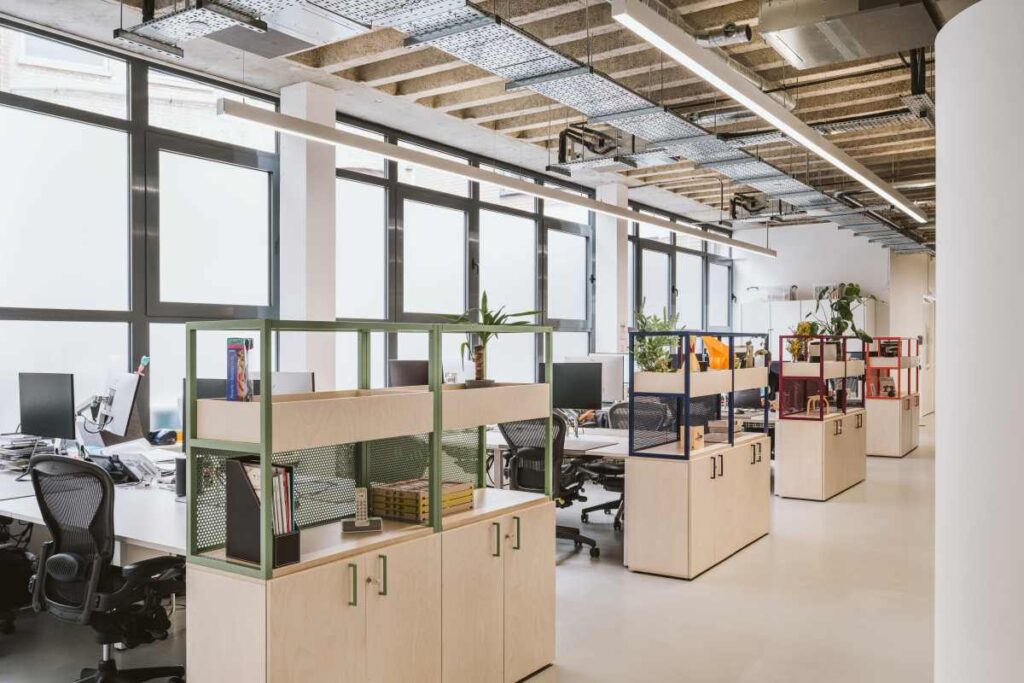
When IBM moved its headquarters to Armonk, New York in 1964, the choice wasn’t merely practical but declarative. The campus-style modernist complex, set in affluent Westchester County rather than Manhattan, announced that IBM saw itself as different from traditional corporate America – technological, forward-thinking, suburban rather than urban. The company understood what many businesses still miss: that workspace communicates values and positioning before any marketing materials get distributed or pitches get delivered.
Your office space makes arguments about your business constantly, whether you’ve consciously designed those arguments or allowed them to form by default. Clients, potential employees, partners, investors – everyone who encounters your workspace forms impressions that influence how they assess your credibility, capabilities, and cultural values. The question isn’t whether these judgements happen but whether the story your space tells aligns with the one you intend.
Location as Market Positioning
Geography carries semantic weight that transcends mere convenience. A Mayfair address communicates establishment credibility and financial substance. Shoreditch signals creative energy and cultural engagement. Canary Wharf projects corporate scale and financial sector alignment. These aren’t neutral descriptors but loaded associations that shape perceptions before anyone examines your actual work.
The location choice either reinforces your market positioning or creates dissonance requiring explanation. A traditional law firm operating from converted warehouse space in Hackney Wick raises questions about whether they understand their clients’ expectations. A design consultancy headquartered in a sterile business park suggests creative limitations that might extend to their output. Geography should align with brand positioning rather than contradicting it.
This doesn’t mean all businesses should pursue premium addresses regardless of fit. But the choice should be deliberate, acknowledging that clients and candidates read meaning into location whether you intend it or not. The alignment between address and positioning either strengthens your market narrative or undermines it subtly but persistently.
Spatial Quality Reflects Operational Standards
Workspace that functions smoothly – where meeting rooms actually work, where technology integrates seamlessly, where creating welcoming office reception areas demonstrates professional competence – signals organisational capability more convincingly than any marketing claim. Conversely, dysfunctional space suggests operational weaknesses that clients reasonably worry might extend to their projects.
The details matter enormously. Reception areas that handle visitors professionally. Meeting rooms equipped properly and available when needed. Technology that works reliably without requiring apologies or troubleshooting. These operational elements demonstrate competence in ways that no amount of presentation polish can substitute. If you can’t manage your own environment efficiently, why should clients trust you to manage their work?
This scrutiny intensifies during competitive pitches. When capabilities appear roughly equivalent across several firms, environmental factors influence decisions more than participants typically acknowledge. The firm presenting from confident, well-managed space holds advantages that have nothing to do with technical expertise but everything to do with subconscious assessment of organisational competence.
Design Choices Signal Cultural Values
Aesthetic decisions embedded in workspace reveal priorities and values more honestly than mission statements. Minimalist design suggests efficiency and focus. Comfortable, residential-influenced spaces indicate concern for employee experience. Sustainable materials and energy-efficient systems demonstrate environmental commitment. Clients who share these values respond positively; those who don’t may question alignment.
This extends to spatial allocation and organisational principles. Generous collaborative areas signal cultures valuing teamwork. Private offices arranged hierarchically communicate traditional management structures. Open plans with minimal status differentiation suggest egalitarian values. These aren’t neutral choices but revelations of how your organisation actually operates, and people form judgements about whether they want to engage with that kind of company.
The authenticity question becomes critical here. Workspace that projects values contradicted by actual behaviour creates cognitive dissonance that sophisticated observers notice. Claiming to prioritise collaboration whilst maintaining rigid hierarchical spatial arrangements undermines credibility. The space should reflect genuine organisational culture rather than aspirational values that don’t manifest in practice.
Investment Level Communicates Commitment
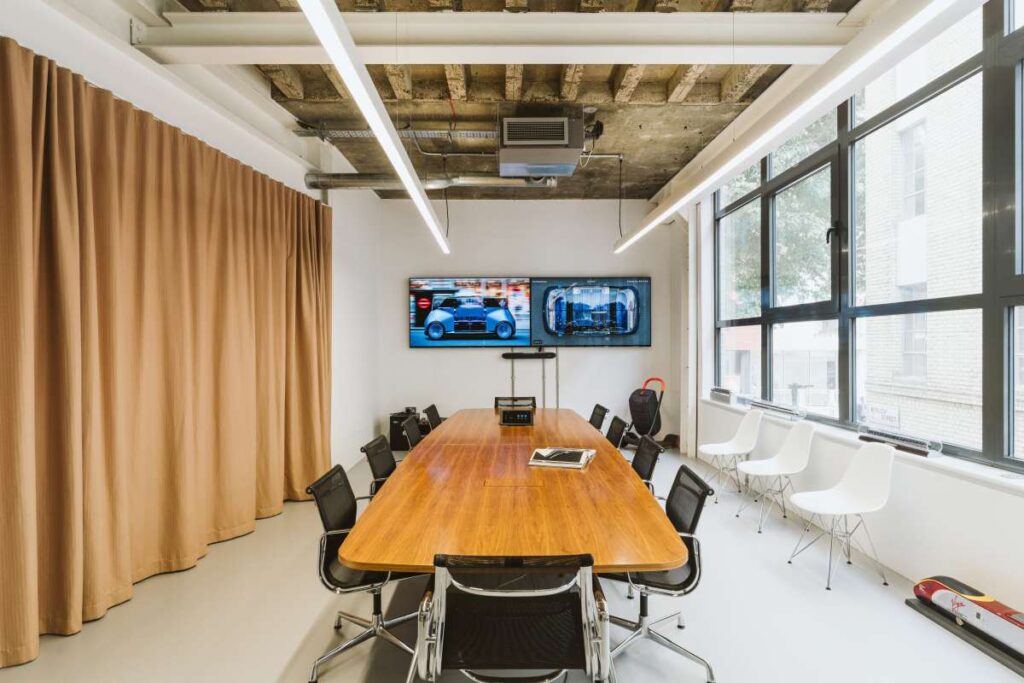
The apparent investment in workspace signals confidence about the future. Businesses occupying appropriate, well-maintained space project assurance about their trajectory. Those in obviously temporary, inadequate, or visibly economised environments raise questions about stability and commitment that affect client confidence.
This doesn’t require extravagance – modest space maintained to high standards in appropriate locations communicates competence and stability effectively. The key is appropriateness: workspace that fits your business stage, sector norms, and client expectations. Overreach appears as misguided as underinvestment, but both extremes create impression problems that affect business development.
Clients making substantial commitments – whether financial, strategic, or reputational – assess partner stability carefully. Workspace quality contributes to these assessments more significantly than businesses often acknowledge. The firm in impressive, appropriate space looks like a safer bet than one operating from tired, obviously temporary accommodation, regardless of actual capability differences.
The Talent Signal
Workspace doesn’t just influence client perception but affects talent acquisition and retention. Skilled professionals assess potential employers partly through their environments. Impressive workspace suggests an organisation that values its people sufficiently to invest in appropriate infrastructure. Shabby, poorly maintained space signals either financial stress or priorities that don’t include employee experience.
This dynamic intensifies in competitive talent markets where candidates choose between multiple offers. Environmental quality – not just aesthetic appeal but genuine functionality, location convenience, amenity provision – influences these decisions measurably. Businesses that treat workspace as pure overhead rather than strategic infrastructure handicap themselves in talent competition against organisations that recognise environment quality affects recruitment and retention.
The generational dimension matters too. Younger professionals particularly weigh workplace quality heavily in employment decisions, having formed expectations through exposure to thoughtfully designed educational and social environments. Workspace that would have seemed adequate twenty years ago now appears substandard to candidates accustomed to higher environmental baselines.
Scale and Permanence Implications
Space size and lease commitment signal business confidence and stability. Organisations occupying substantial premises on long-term commitments project permanence that clients and partners find reassuring. Those in obviously temporary, minimal, or flexible arrangements might appear nimble but also potentially transient – fine for some relationships, problematic for others requiring long-term partnership confidence.
This creates genuine strategic tensions. Flexibility provides valuable optionality, but it can also signal uncertainty that affects how others assess your stability. The balance depends on your market position, client expectations, and growth trajectory. Established professional services firms benefit from signals of permanence that might handicap technology startups where agility matters more than longevity.
The Authenticity Requirement
Perhaps most critically, workspace should authentically represent your actual business rather than projecting aspirational identity. The mismatch between projected and actual culture becomes apparent quickly, undermining trust more effectively than modest but honest environments would.
A scrappy startup occupying impressive corporate space appears to be playing dress-up. An established firm in obviously temporary accommodation raises questions about undisclosed problems. The alignment between workspace and business reality matters more than either element independently. Authenticity trumps aspiration when it comes to building credible impressions.
Strategic Workspace Decisions
At Soul Spaces, we’re commercial interior development experts and we approach workspace decisions through one fundamental understanding: that your work environment communicates constantly about organisational values, capabilities, and priorities. Our goal isn’t creating the most impressive possible space, but rather ensuring that your workspace authentically represents your business whilst still managing to meet practical requirements.
Your office makes arguments about professionalism, stability, cultural values, and operational competence regardless of whether you’ve consciously designed those arguments. Clients, candidates, and partners form judgements based partly on environmental cues that operate largely unconsciously but influence decisions substantially. The question is whether you’re controlling this narrative deliberately or allowing it to form by default – and whether the impressions your workspace creates align with the business you’re actually building.
And through our work, we’ve observed that the most successful organisations treat workspace as strategic infrastructure as one that actively supports business development, rather than a passive overhead that merely enables basic operation.

Ready to find your dream office?