
How To Incorporate Wellness Into Office Design: 7 Expert Tips

Updated: April 1st, 2026
Published: February 15, 2026
The Romans understood something about built environments that modern design periodically forgets: architecture affects the body as well as housing it. Roman bathhouses weren’t merely functional spaces for washing but rather carefully orchestrated environments designed to promote health through considered sequences of temperature, light, and social interaction.
Contemporary wellness-focused office design operates on similar principles, though the mechanisms have evolved beyond hot pools and cold plunges.
Workplace wellness has unfortunately become burdened with superficial gestures – yoga rooms that nobody uses, fruit bowls in reception areas, motivational posters about self-care. Genuine wellness integration requires more fundamental thinking about how workspace design affects human physiology and psychology over extended periods. Put simply: rather than thinking about amenities to bolt onto conventional offices, instead consider principles that should inform design from the outset.
Optimise Natural Light Access
Human circadian rhythms evolved in environments where light intensity and colour temperature shifted predictably throughout the day. Office environments with consistent artificial lighting disrupt these biological patterns, affecting sleep quality, mood regulation, and alertness in ways that compound over time.
Workspace design should maximise natural light access, particularly for areas where people spend extended periods. This often requires inverting conventional hierarchies where private offices occupy perimeters whilst open workspace relegates to building cores. Positioning collaborative areas around building edges, allowing daylight to penetrate deep into floor plates, using glass partitions rather than solid walls – these decisions improve light access significantly without demanding major structural changes.
Where natural light proves insufficient, artificial lighting should vary in intensity and colour temperature throughout the day, mimicking natural patterns rather than maintaining constant conditions. This circadian lighting approach supports natural biological rhythms, improving both immediate alertness and longer-term wellbeing in ways that static lighting cannot achieve.
Provide Acoustic Sanctuary
Constant ambient noise creates stress that accumulates imperceptibly but affects both performance and wellbeing substantially. The inability to escape auditory distraction – conversations, phone calls, mechanical systems, footfall – produces fatigue that manifests in reduced concentration, increased irritability, and elevated cortisol levels.
Workplace design must include genuinely quiet zones where people can work without acoustic intrusion. Not just nominally quiet areas in open plans but properly isolated spaces with acoustic treatment sufficient to achieve actual silence. These zones shouldn’t be afterthoughts or repurposed storage rooms but proper environments where focused work or simply respite from stimulation becomes possible.
Integrate Movement Into Spatial Planning
Humans evolved for movement, yet office work demands extended static positions that create musculoskeletal problems, reduce circulation, and affect metabolic health. Workspace design can either reinforce sedentary behaviour or subtly encourage movement throughout the day.
Positioning frequently used facilities – printers, meeting rooms, kitchen areas – to require walking rather than immediate adjacency encourages regular movement without demanding conscious decision-making. Stairs designed to be appealing and visible encourage use over lifts. Standing-height work surfaces and varied posture options allow people to shift positions throughout the day rather than remaining seated continuously.
This isn’t about forcing activity but reducing friction around movement choices. When moving requires conscious effort to overcome poor design, most people default to sedentary behaviour. When movement becomes the natural path of least resistance, activity increases without requiring willpower.
Prioritise Air Quality
Indoor air quality affects cognitive performance more substantially than most people realise. Elevated CO2 levels – common in poorly ventilated spaces – measurably impair decision-making, strategic thinking, and information processing. Volatile organic compounds from materials and furnishings affect respiratory health and general wellbeing.
Workspace design should prioritise ventilation rates well above minimum regulatory standards. Opening windows where possible, mechanical ventilation systems sized generously, air filtration that removes particulates and VOCs, plants that contribute to air purification whilst providing psychological benefits – all of these interventions improve the medium in which people work, affecting performance in ways that remain invisible but prove significant.
The pandemic increased awareness of air quality, but the benefits extend beyond infection control to fundamental cognitive function and long-term respiratory health. Investment in superior air quality delivers returns through improved performance that far exceed the mechanical systems cost differential.
Create Biophilic Connections
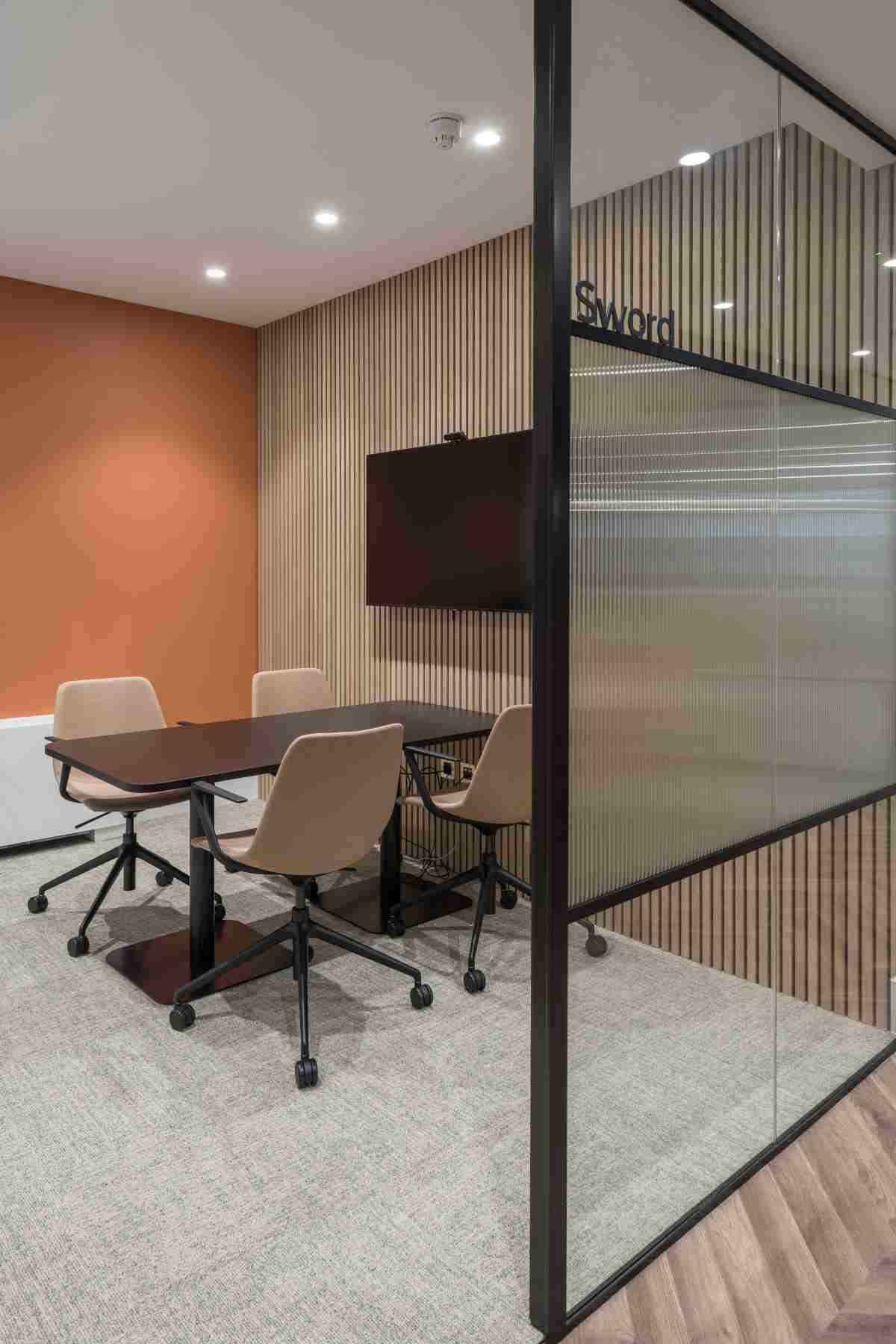
Human psychological wellbeing responds positively to natural elements in ways that prove remarkably consistent across populations. Views of nature reduce stress. Indoor plants improve air quality and psychological state. Natural materials – wood, stone, natural fibres – create environments that feel more comfortable than entirely synthetic spaces.
Biophilic design integrates these elements thoughtfully rather than adding token plants to otherwise sterile environments. Maximising views of greenery where available. Incorporating living walls or substantial planted areas. Using natural materials for surfaces people regularly touch. Creating visual connections to outdoor spaces. These interventions support wellbeing through mechanisms that operate largely unconsciously but affect how people experience their environment.
This doesn’t require transforming offices into gardens but recognising that human comfort increases in environments that reference natural patterns and materials rather than divorcing entirely from them.
Design for Social Connection and Solitude
Wellbeing requires balance between social interaction and solitary respite. Workplace design often optimises for one whilst neglecting the other – either forcing constant interaction in open plans or isolating people in cellular arrangements that prevent spontaneous connection.
Effective workspace provides both. Social areas designed for informal interaction – comfortable seating, kitchen zones conducive to lingering, collaborative spaces that encourage teamwork. Simultaneously, quiet zones where people can work without social performance demands – not just enclosed offices but varied settings that support concentrated solo work.
The key is choice. People should be able to move between social and solitary settings as their work and temperament demand rather than being forced into single modes. This variety supports wellbeing by allowing individuals to regulate their social exposure rather than workspace dictating it.
Address Thermal Comfort Intelligently
Temperature preferences vary considerably between individuals, yet conventional office systems impose uniform conditions across entire floors. This creates perpetual dissatisfaction where some people feel too warm whilst others remain cold regardless of how thermostats get adjusted.
Workplace design can provide localised climate control – zoned systems that allow different areas to maintain different temperatures, personal fans or heaters for individual adjustment, varied microclimates where people can choose conditions that suit them. This responsiveness to individual variation improves comfort significantly without demanding complex technical solutions.
Thermal comfort also involves humidity, air movement, and radiant temperature – variables that simplistic thermostatic control misses. Sophisticated environmental design considers all these factors, creating conditions where thermal comfort becomes reliable rather than constant compromise.
The Implementation Reality
These principles shouldn’t be treated as optional wellness add-ons but as fundamental design considerations affecting how workspace supports human performance and wellbeing. The challenge lies in integrating them during design rather than attempting to retrofit wellness into spaces conceived without these priorities.
Soul Spaces approaches workspace design with understanding that wellbeing isn’t separate from functionality but integral to how environments support sustained performance. For businesses seeking dedicated long-term business spaces, incorporating wellness principles during initial design proves far more effective than addressing them through later modifications.
Genuine wellness integration requires moving beyond superficial amenities to fundamental design decisions about light, acoustics, air quality, and spatial organisation. These aren’t luxuries for particularly enlightened organisations but basic environmental requirements that affect all businesses whose success depends on human cognitive performance and sustained wellbeing. The question is whether workspace decisions reflect this understanding or continue treating wellness as peripheral to spatial planning.

Ready to find your dream office?